

When the seasons turn
Sometime between late summer and true autumn, we get the winds of change. The heat is still here, but something restless has slipped in underneath it. The light softens and glows gold, the leaves start to rattle, and the wind whips through like it has somewhere urgent to be.
In Ayurveda, this marks a change of season and of dosha. Summer is pitta, the dosha of fire. Autumn is vata, the dosha of wind. They don’t hand off politely. They collide.
And when they do, something strange and beautiful happens: the wind amps up the fire, and the fire agitates the wind.
Summer’s fire
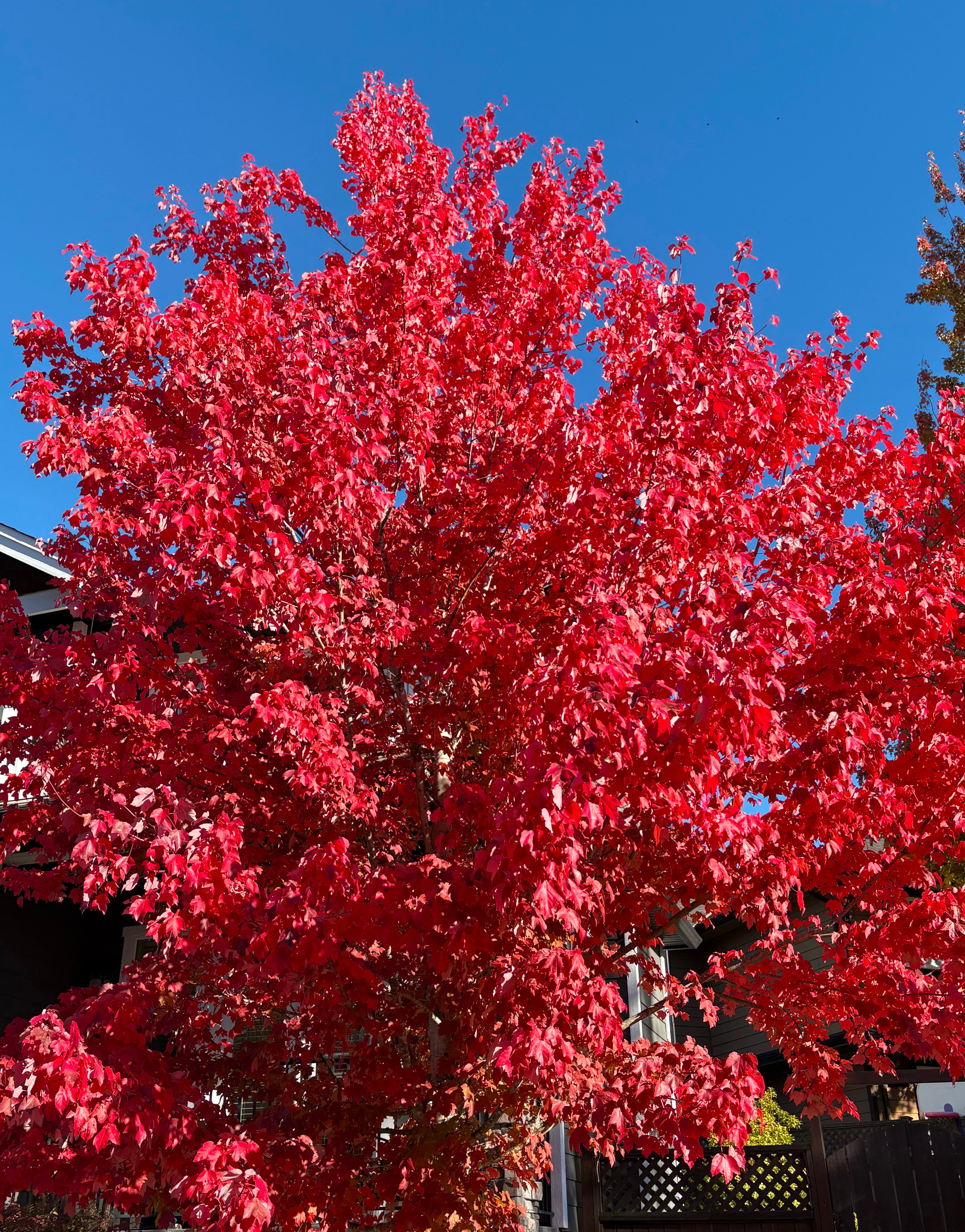
Pitta is mostly fire. It is hot, sharp, intense, and focused. It is the part of us that digests, decides, drives, and burns bright.
All summer long, pitta has been building. Long days, high sun, big plans, and balmy evenings that somehow never feel tiring. There is so much energy for gathering the harvest that it is easy to forget fire is always consuming something to stay lit.
By late August, the fire has been burning for months. It is still blazing, but losing steam every day.
Then the wind comes
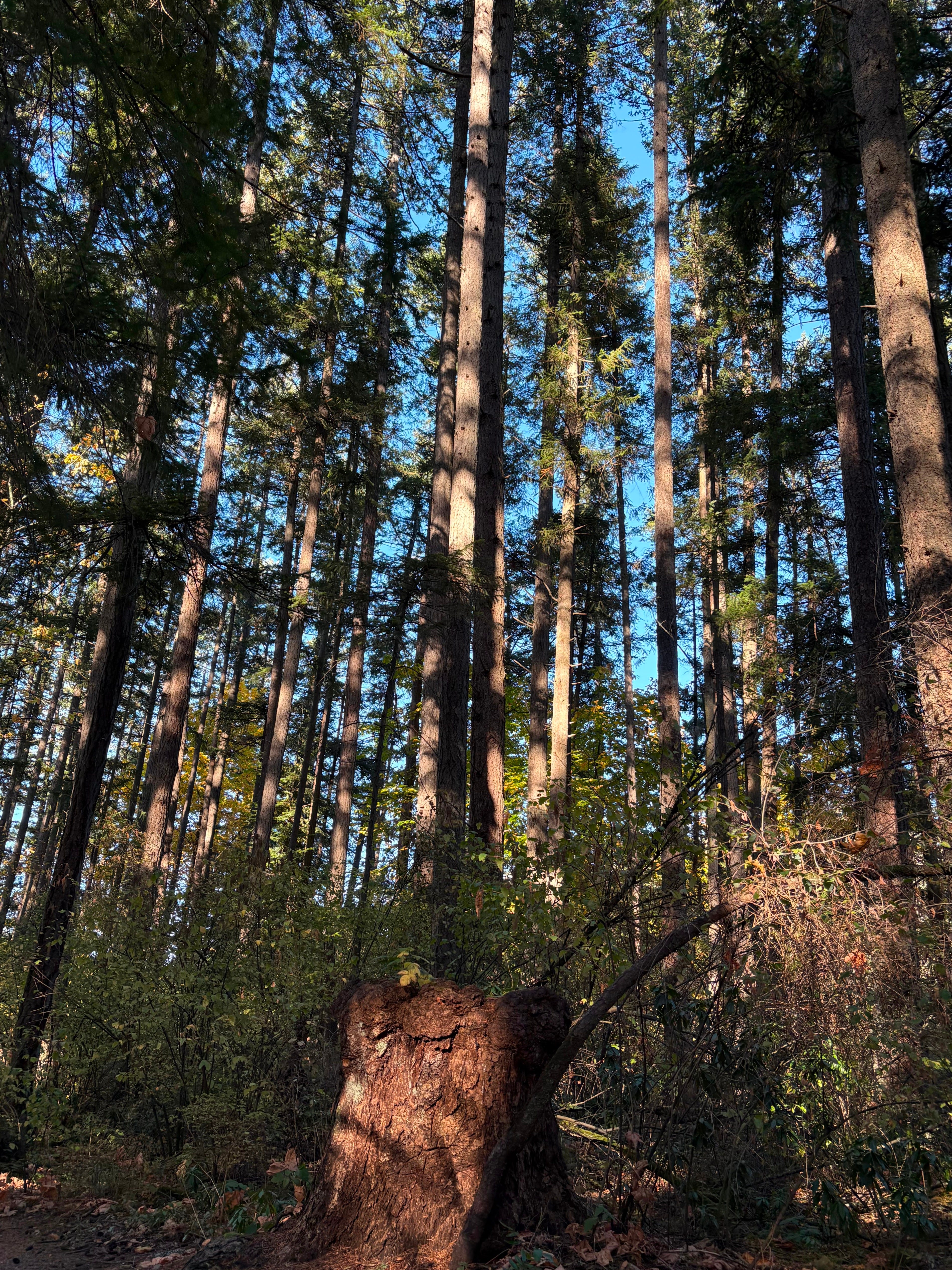
Vata is air and space. It is dry, light, cold, quick, and changeable. It is movement itself: breath, thought, nerve impulse, the leaf that will not stay on the branch.
In autumn, vata starts to rise. The humidity drops, the evenings cool, and everything gets a little more scattered and electric.
You would think a cool, dry wind would simply put summer’s fire to rest. But anyone who has ever stood beside a campfire knows that is not what wind does to a flame. Not at first.
The collision feels a lot like the energy of ADHD
First, the wind feeds the fire. Moving air brings oxygen, and a flame that was steady suddenly roars. Vata’s dryness pulls the last moisture out of the fuel, so everything catches faster. Pitta, which was already running hot, gets pushed hotter still.
Then the fire heats the wind. Hot air expands, rises, and races to fill the space around it. The more the fire burns, the more the air moves, and the more the air moves, the more the fire burns. Each one keeps answering the other, louder each time.
One of my lovely clients from Southern California told me there is a name for it: the Santa Ana winds. Every fall and winter, air from the high desert pours down through the mountain passes toward the coast. As it sinks, it compresses and heats up, arriving hot and bone dry, sometimes with humidity in the single digits. These winds are famous for turning small sparks into huge wildfires, and for bringing out the crazy in people. Locals describe them as more of a mood than weather.
It is vata and pitta locked in a loop: sharp and scattered, wired and depleted, all at the same time.
Out with a bang
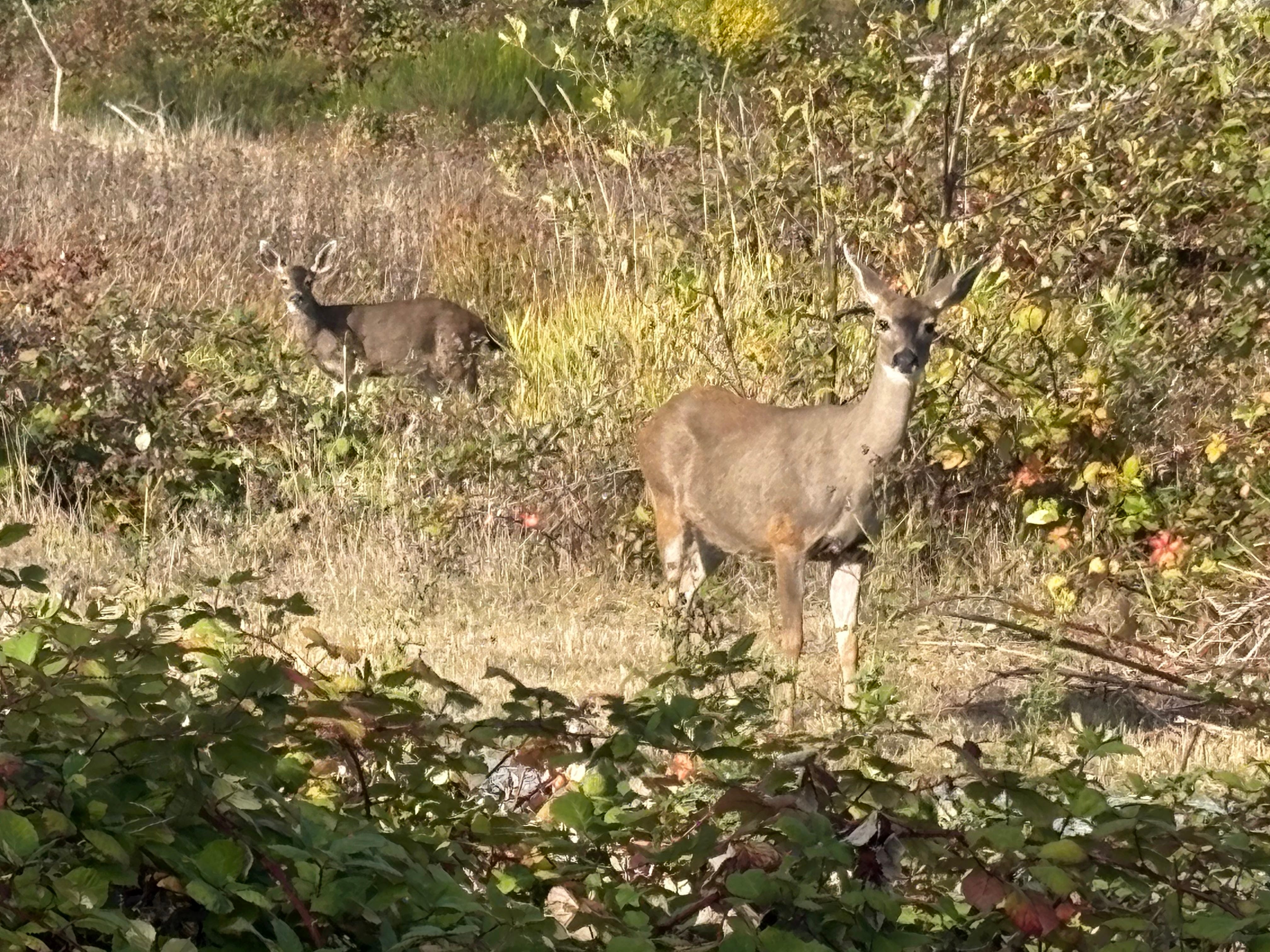
And then everything goes brown.
And then the wind gets stronger than the fire. A gust that once fanned the flame now pushes it right off its fuel.
Burnout. Not a slow fade, but a final flare. The ambition, the focus, the heat that carried you through summer spikes one last time, and then it is simply gone.
What is left is ash and wind. Dry, light, cold, empty. Vata, alone in the room where the fire used to be.
The same thing happens within us when pitta and vata spin out of control.
After the fire
Everything turns to ash.
There is something humbling about how precisely this ancient system maps the physics of a flame. Thousands of years before anyone wrote down the chemistry of combustion, people watched fire and wind and knew they were part of nature too, not observers standing somewhere apart from it.
Western medicine sees the seasonal shift too. Colds and flu climb as the weather turns, making autumn a prime season for pharmaceutical companies.
It makes me wonder how many of us feel this every autumn without having a name for it. The sudden crash after a blazing summer. The mind racing and the tank empty. The sense of having burned so bright that the wind finally took the flame.
It doesn’t have to be a crisis. It is simply a signal that it’s time to slow down, wrap up warm, cozy up under blankets, and get the knitting projects going.
And this isn’t the end of the seasonal story. It is actually the beginning, because ash is fertility itself. The wind settles, and in the stillness of winter, beneath soil enriched by decaying matter, something slower and steadier stirs, ready to become new life. Welcome, kapha.